 ES
ES  HE
HE  SFR
SFR  AR
AR  EN
EN 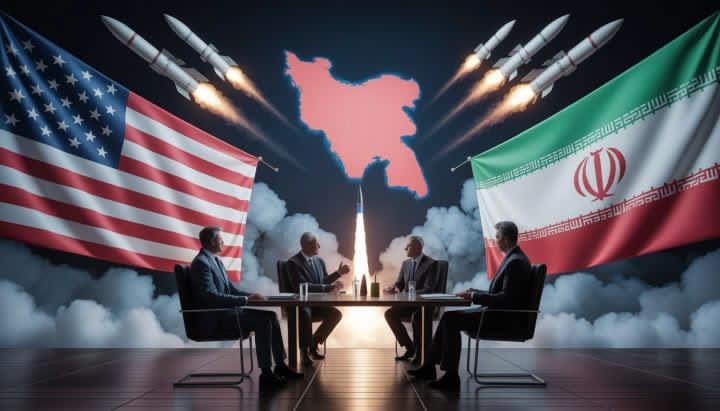
SKY WORLD NEWS | Recent developments have fueled cautious optimism that the latest confrontation involving Iran, Israel, and the United States may be drawing to a close. Military operations have subsided, diplomatic channels are active, and world leaders are signaling a desire to prevent further escalation. Yet the critical question remains: Has the war truly ended, or are we merely witnessing a temporary pause?
While the immediate danger appears to have diminished, it would be premature to declare a definitive end to the conflict. The underlying disputes that contributed to the crisis including regional security concerns, Iran’s strategic ambitions, and broader geopolitical rivalries have not disappeared. History teaches us that ceasefires and periods of calm do not always translate into lasting peace.
At the same time, there are encouraging signs that diplomacy may be gaining momentum. President Donald Trump has stated that the United States is close to reaching an agreement with Iran aimed at winding down the conflict. Reports suggest that a memorandum of understanding could be signed in Geneva in the coming days. If achieved, such an agreement could provide a framework for reducing tensions, restoring diplomatic engagement, and preventing a return to open hostilities.
The prospect of a U.S.-Iran understanding is significant not only for the two countries but for the entire Middle East. A successful agreement could help stabilize energy markets, reduce the risk of military escalation, and create opportunities for broader regional dialogue. However, the durability of any agreement will depend on the willingness of all parties to honor their commitments and address the root causes of instability.
The possibility of renewed conflict cannot be entirely dismissed. The region remains highly volatile, and a single miscalculation, provocation, or attack by regional actors could quickly reignite tensions. For this reason, the coming months will be critical in determining whether the current calm evolves into a sustainable peace or proves to be only an intermission between rounds of confrontation.
Questions have also been raised about Israel’s role moving forward. War Criminal Prime Minister Benjamin Netanyahu and many of Israel’s supporters in Congress are reportedly dissatisfied with the proposed memorandum of understanding, believing that continued pressure on Iran could further weaken its military and strategic capabilities. However, we hope that the final decision will rest with President Trump and his administration as they weigh broader U.S. strategic interests and regional stability considerations.
President Trump not Israel , must balance regional security considerations with broader strategic interests, economic concerns, and the desire to avoid another costly military engagement.
The reality is that no nation emerged from this crisis without recognizing the tremendous costs of war. The destruction, economic disruption, and uncertainty experienced throughout the region have reinforced the importance of diplomacy as the preferred path forward.
For now, there is reason for cautious optimism. The guns may be quieter, and diplomacy may be advancing, but lasting peace requires more than the absence of war. It requires political courage, mutual restraint, and a commitment to resolving disputes through dialogue rather than force.
The coming days in Geneva may prove to be a turning point. Whether they mark the beginning of a new era of stability or merely a temporary pause in a long-running conflict remains to be seen. What is clear is that the future of the region will depend not on military victories, but on the success of diplomacy.
By Malek Francis
SKY WORLD NEWS | Wednesday June 17Th 2026