 ES
ES  HE
HE  SFR
SFR  AR
AR  EN
EN 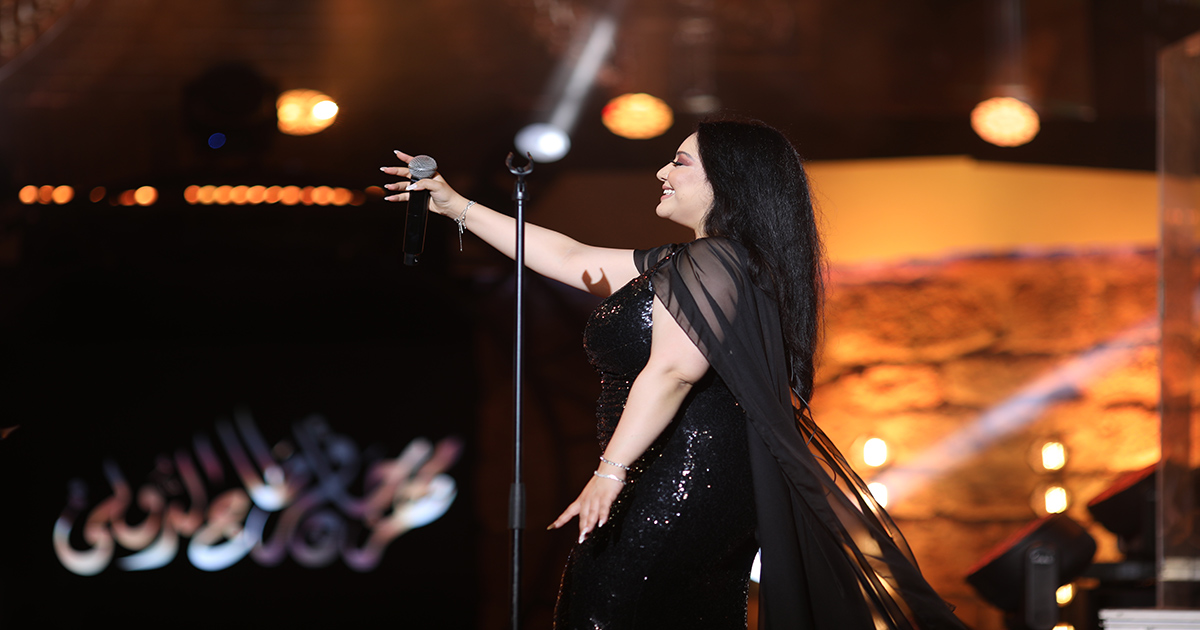
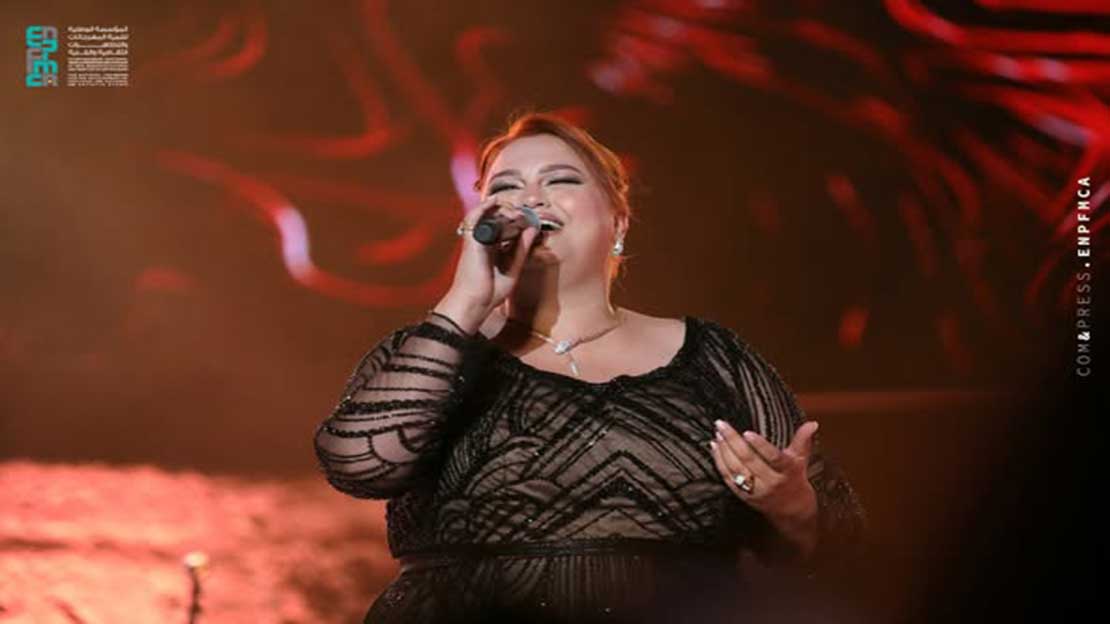
The 60th edition of the Carthage International Festival continued its rich program, and on the evening of Tuesday, July 28, 2026, the audience was treated to an exceptional tarab (classical Arab singing) experience, featuring the acclaimed artist Yosra Mahnouch, known for her powerful vocal abilities. A large audience gathered to enjoy an evening of authentic Arab singing, in a night that stood as a testament to loyalty, creativity, and artistic mastery.
"Lady of Arab Tarab"—a title that carries immense responsibility, requiring the artist to meet high musical and performance standards. Every time Yosra Mahnouch steps onto the ancient stage of Carthage, she proves her worthiness of this prestigious title. It is not a title given lightly, but Mahnouch, through years of dedication, patience, and training, has made it an integral part of her artistic identity, rising to the emotional depth, commanding presence, and ability to captivate hearts that it demands.
This was Mahnouch's sixth performance at Carthage, since her first appearance in 2008. She continues to build on her successes, earning the respect of fellow artists and critics alike, proving that true success is not accidental but the result of commitment, sincerity, and an unending love for art. On this night, she met her audience with all her love. Before the show, a video was played in which she spoke about the awe of performing at Carthage: "The weight of history and the greatness of the moment—standing on this great stage is a responsibility." She then addressed the audience, adding: "Today, we will write a new chapter of the story." Her words were a promise, and the performance was its fulfillment.
Over two hours, Mahnouch successfully wrote a new chapter, titled: An artist masterful in performance, capable of succeeding before the most demanding audiences—the great audience of Tunisia. She opened the concert with "Bafakkar Fik," composed by Mahmoud El Khayami, followed by "Mihana," the song that made her famous across the Arab world, building a wide fanbase through her participation in "The Voice." "Mihana" was a reminder of her beginnings, a nod to the challenges she overcame with determination and resolve.
"I miss you" was the secret keyword between the artist and her audience, after a three-year absence from Carthage. Mahnouch returned filled with passion and new artistic productions, delivering a diverse program. She sang tributes to the great masters of Arab music: for Umm Kulthum, she performed "Ansak" and "Hobb Eh"; for Abdel Halim Hafez, she sang "Zay El Hawa" and "Ay Dam'at Hazn La"; and for George Wassouf, she delivered "El Hawa Sultan." This segment was a tribute to the finest Arab voices, proving her right to the title "Lady of Arab Tarab," as she excelled, convinced, and transported the audience back to those beautiful golden eras.
Mahnouch also performed her own productions, including "Bafakkar Fik," "Hawalia Nas" composed by Mohamed Hamdi (her latest release), "Esket Bess," and "Ya Rouhi wa Ya Dada." Her audience knew every word, singing along like a chorus, in a scene that showed the deep connection between the artist and her fans, and how her songs have become a shared treasure.
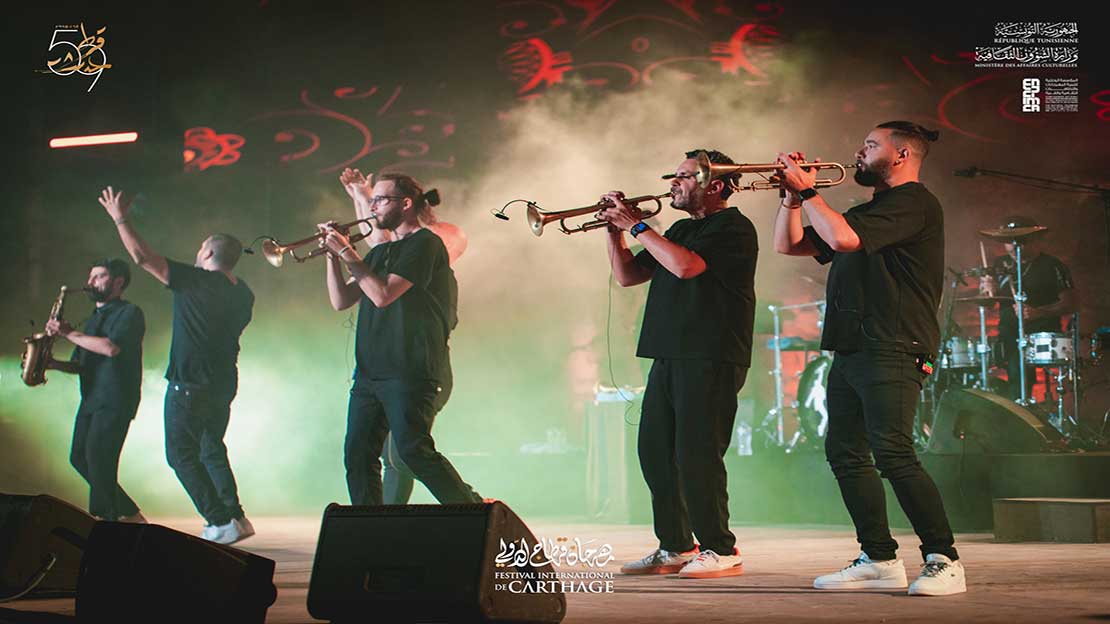
A recurring highlight in Mahnouch's concerts is her return to Tunisian folk identity, where she performs traditional Tunisian genres, Sufi chanting, and noubas in her unique style. The audience soared with "Ya Chadli Ya Belhassen," "Ya Faris Baghdad," "Rayes El Abhar," and "Rakeb Al Hamra," as well as the Bizerte nouba. The orchestra, led by Abdelbaset Belgaid, demonstrated exceptional professionalism in handling all musical styles, proving that the orchestra is an essential partner in any successful tarab evening.
Mahnouch's strength lies in her ability to move gracefully between diverse musical styles, performing melodies from the most important Arab schools—Gulf, Egyptian, Iraqi—while also evoking the depth of Tunisian identity through muwals (improvised singing) and Sufi chanting, alongside Eastern tarab classics. This diversity was not merely a display of vocal techniques; it confirmed her artistic abilities and her vocal flexibility across every genre she chose. The result was a mesmerized audience, deeply engaged with every segment of the concert.
Once again, Yosra Mahnouch won the bet. Her concert was a success both artistically and commercially, and she wrote another chapter of success, proving her talent and her ability to connect with the audience in a quintessential tarab night that will linger long in the memory of her fans, standing as proof that true art never dies, and that great voices remain immortal in the hearts of generations.