 ES
ES  HE
HE  SFR
SFR  AR
AR  EN
EN 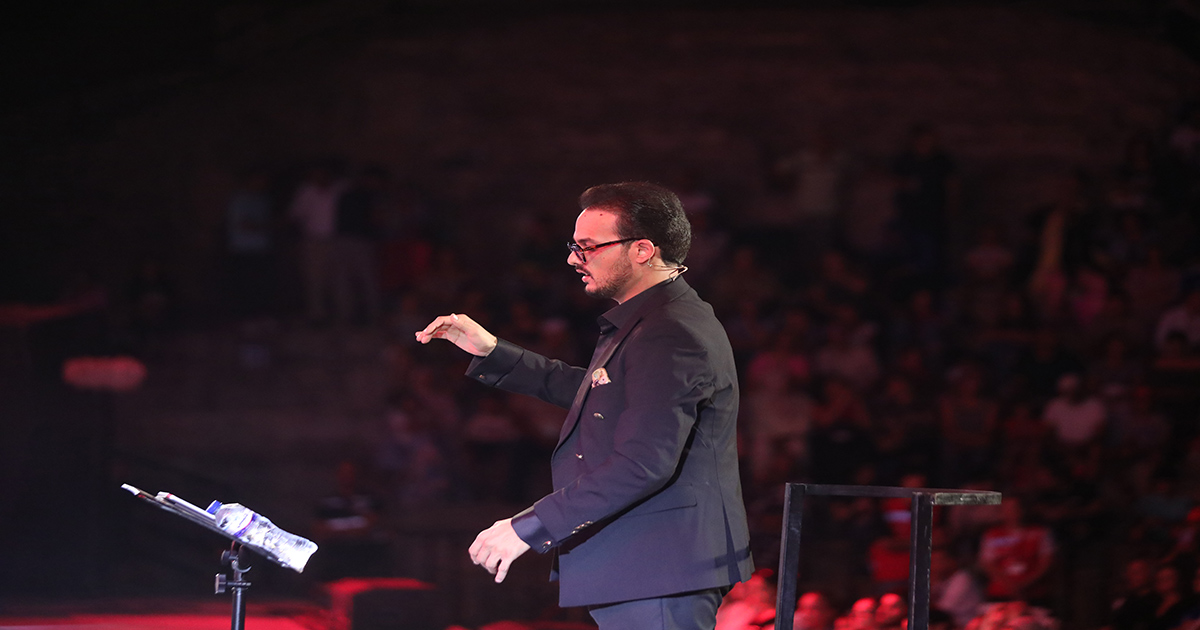
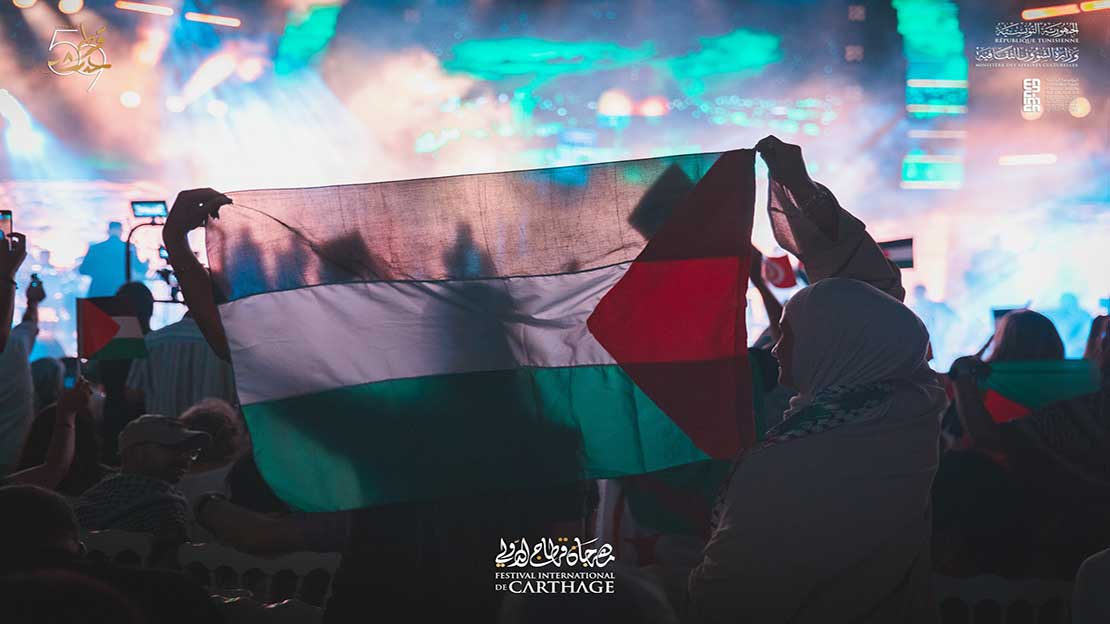
The anniversary of the proclamation of the Republic cannot pass without a celebration befitting the occasion, and the most beautiful offering was an evening of Tunisian song on July 25, 2026, titled "A Homeland with Lovers' Love" ("Watan bi Hubb el Ashiqin"), as part of the 60th edition of the Carthage International Festival. The event was graced by the presence of the Minister of Cultural Affairs, Ms. Amina Srarfi, along with a number of Tunisian artists, in a majestic celebration that blended the official with the popular, the institutional with the grassroots, and the past with the present.
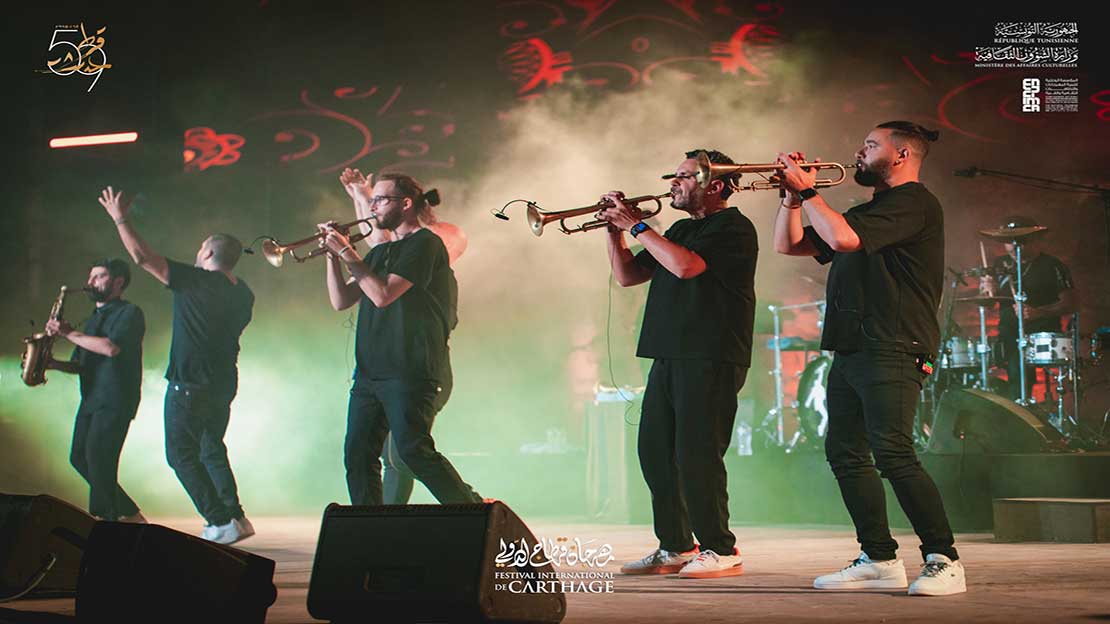
There is no disagreement about the authenticity of the Tunisian musical tone and its closeness to the ear; it is, above all, the closest expression of the nation's identity and spirit. From this principle, the evening was crafted, musically directed by the National Orchestra of Tunisian Music under the baton of Maestro Youssef Belhani, featuring a constellation of artists performing their finest songs alongside timeless pieces from the national heritage—a fusion of authenticity and modernity, of veteran and emerging voices.
The orchestra's unified white-and-red attire was a clear expression of formal celebration of the homeland on its national day, while the musical performance reached near-perfection, with seamless transitions between musical modes and styles, reflecting years of training and discipline, and affirming the orchestra's standing as a cornerstone of Tunisia's musical landscape.
The evening opened with a choral anthem titled "Bladi Aryn el Oussoud" ("My Homeland, the Lions' Den") and closed with the same piece, in a circular formation carrying profound meaning: that the homeland is the beginning and the end, and that all the melodies and tunes performed in between were but details in the story of this ever-renewing love. The anthem was a declaration of loyalty and a renewal of allegiance, as if everyone was saying: from the homeland we come, and to it we return, and between the start and the finish, we live moments of joy and pride.
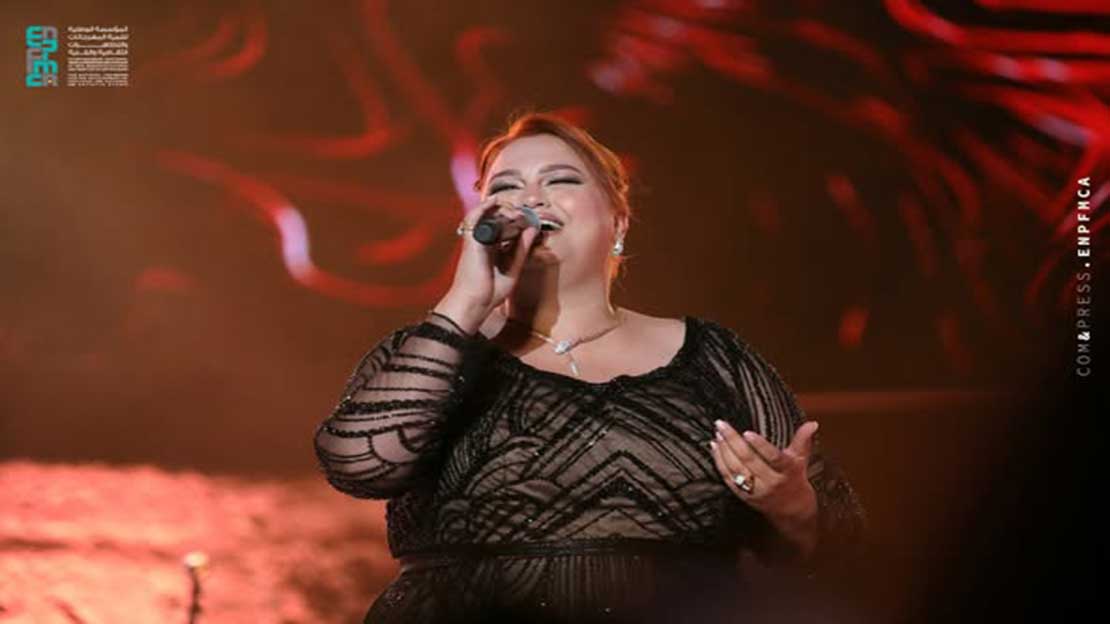
The remainder of the evening can be divided into two complementary parts. The first part was dedicated to singers with a rich history in the Tunisian music scene, who have contributed greatly and built a broad fan base through songs etched in collective memory. Leading them was artist Alia, who performed her own productions "Habbat Nasma Chalha" and "La Aazem." Artist Ghazi Ayadi presented some of his finest works, including "Baâtreflek," "Hobbit Zmani," "Alaïn," and "Lat el Zin." Shahrazad Helal performed "Lamouni Ennas," "Khalina Ashab," and "Ya Hasra Alaik." Meanwhile, Sofien Zaidi offered his own song "Khamsa Snin" along with a medley of Tunisian Sufi singing that deeply engaged the audience.
The second part of the evening celebrated the timeless Tunisian female musical heritage, with Wafaa Abbès, Malek El Charne, and Mariem Nourredine performing the most beautiful works of pioneering female artists: Saliha, Alia, Naima, and Slaf. They enchanted the audience with exquisite melodies, including "Aardouni Zouz Sbaya," "Charq Ghda Bel Zin," "Ah Ya Khalila," "Alay Jra," and "Halili Wi," among other masterpieces passed down through generations. The performances of these young artists served as a bridge between the beautiful past and the bright present, proving that Tunisian heritage is not merely old songs but a renewable wellspring of creativity.
The Tunisian music evening was one of the festival's standout events and the closest to the Tunisian citizen, for several reasons, most notably the celebration of Tunisian musical genres, honoring Tunisian artists, and showcasing their musical output. In this evening, a love anthem was whispered in every attendee's ear, so that perhaps, through love, we may build a more beautiful homeland. The night will remain a landmark in the festival's history, reminding us that art is the language most capable of uniting hearts, and that Tunisian song, in all its diversity, remains the ultimate emblem of belonging and identity.