 ES
ES  HE
HE  SFR
SFR  AR
AR  EN
EN 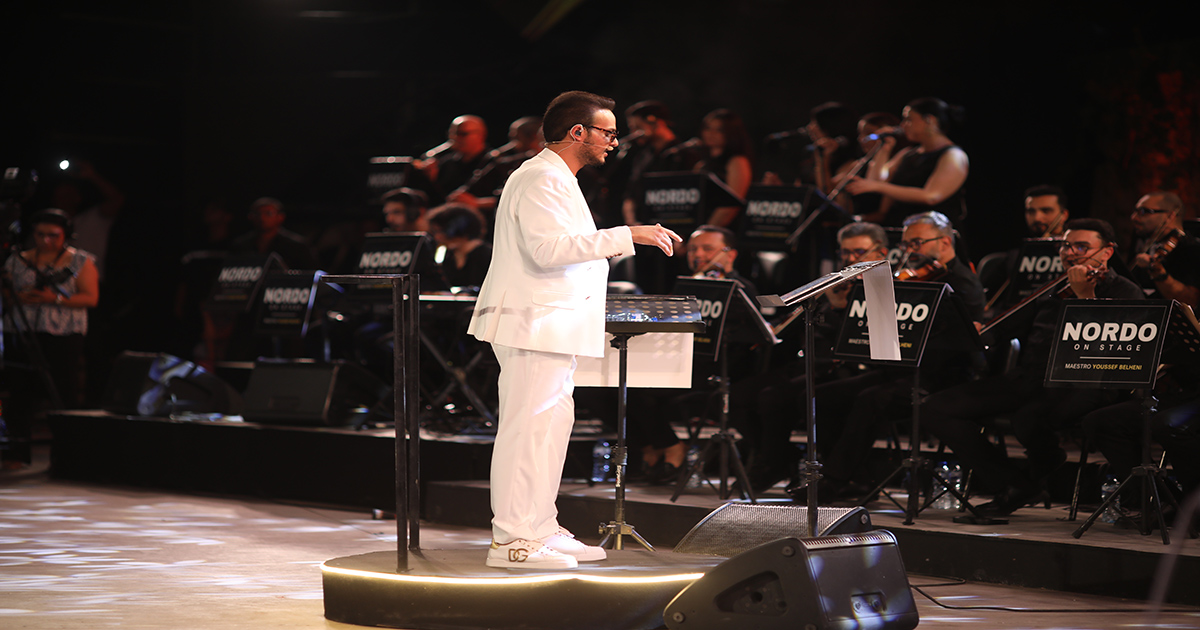
Millions of streams and views on digital platforms are not an automatic passport to true artistic success, nor is mass popularity a guaranteed ticket to the stage of the prestigious Carthage International Festival. The ancient theater, with its historic weight and symbolic aura, remains a different kind of trial—one where artists are tested on their ability to transform digital noise into living presence, and studio-crafted songs into a visceral experience that resonates with the stones of antiquity.
This is precisely what made Tunisian artist Nordo’s performance on Tuesday, July 21, 2026, as part of the festival’s 60th edition, a moment of profound significance. It was a turning point in his career, and a new challenge for an artistic journey that had largely taken shape outside the conventional frameworks of the music industry, yet chose to confront its audience in Tunisia’s most iconic cultural space.
For the first time, Nordo stepped onto the Carthage stage accompanied by the National Orchestra of Tunisian Music, conducted by maestro Youssef Belhani. This collaboration reflected a mature artistic ambition: to present his musical project in a completely new format. The orchestral arrangements gave his songs a wider musical horizon, perfectly suited to a theater that has, for six decades, hosted the greatest names in Arab and Tunisian music.
In recent years, Nordo has established himself as one of the most prominent figures in Tunisian youth music. His work blends rap with contemporary song, leaving ample room for melody and emotional depth, making his tracks feel like everyday stories that resonate with an entire generation. Hits like "Ya Donya," "Arbouch," and "El Ayem" have amassed millions of streams, cementing his presence both in Tunisia and abroad, and proving his ability to reach audiences with diverse musical tastes.
Yet the true uniqueness of the Carthage show lay in the bold gamble: transforming songs born in the digital space into a live experience grounded in orchestral performance. This challenged Nordo not only vocally but also creatively, as he reimagined his tracks to breathe in an open-air venue, far from the intimacy of headphones.
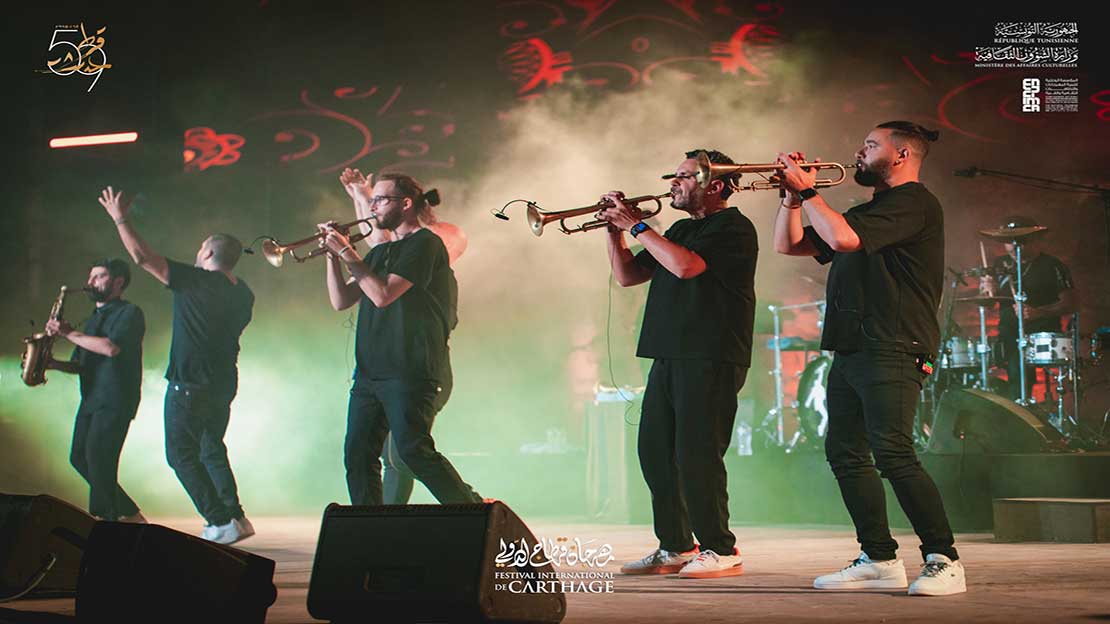
The program was a complete spectacle, integrating dynamic choreography, music, and visual effects. Nordo opened with "Arbouch," accompanied by dance performances, followed by "Tarbit," which featured an extended percussion solo—a nod to the rhythmic foundation of his music. He then performed "Ghariba," "Ana Wel Lil," and "Ya Donya," songs that have defined his artistic identity, before shifting to a more festive mood with "La Mama" and "Ayech Lili," both accompanied by dance numbers.
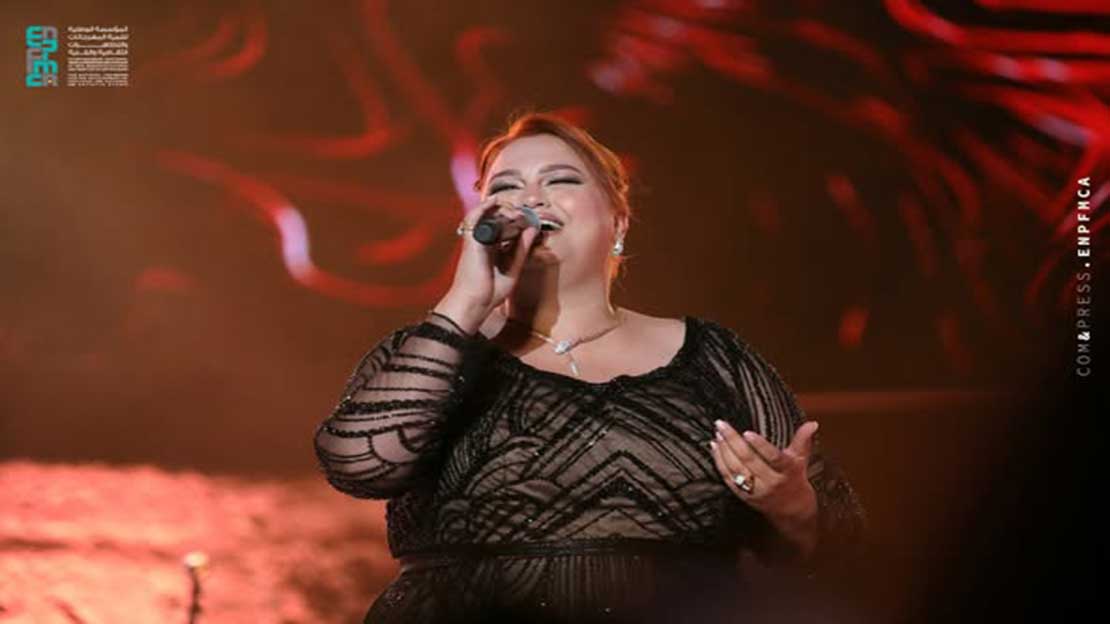
Each song was given its own visual universe: "Maktoub" was paired with contemporary dance, while "Aaber Sabil" drew inspiration from the traditional dabke, reflecting an openness to diverse expressive forms. The concert also featured guest appearances: singer Rahma Mohsen joined Nordo for a duet on "Mn Yomein," and later, Ahmed Zaïem performed "Ya Aaraf" with him, one of the evening’s highlights, with lyrics displayed on screen to encourage audience participation.
The rhythm continued to build with songs like "Wehsh Klani," "Lyam," and "Wili," where the beats of stambali and gnawa music surfaced, celebrating Tunisia’s African roots. The crescendo peaked with "Hali," accompanied by African percussion solos, before Nordo performed "Bla Bik" and closed the night with an afro-house dance sequence—a final affirmation of his openness to global styles while staying true to local identity.
Nordo’s performance at Carthage was a complete synthesis of rhythms, dances, guest artists, and orchestral arrangements—a bold attempt to transform his encounter with the Carthage audience into a holistic artistic experience that bridges his digital success with a stage vision worthy of the ancient theater. He proved that digital fame, no matter how massive, cannot replace the test of the live stage, and that the journey from headphones to the stage is a true transformation—where individuality meets collectivity, and the song becomes the property of all who are present.