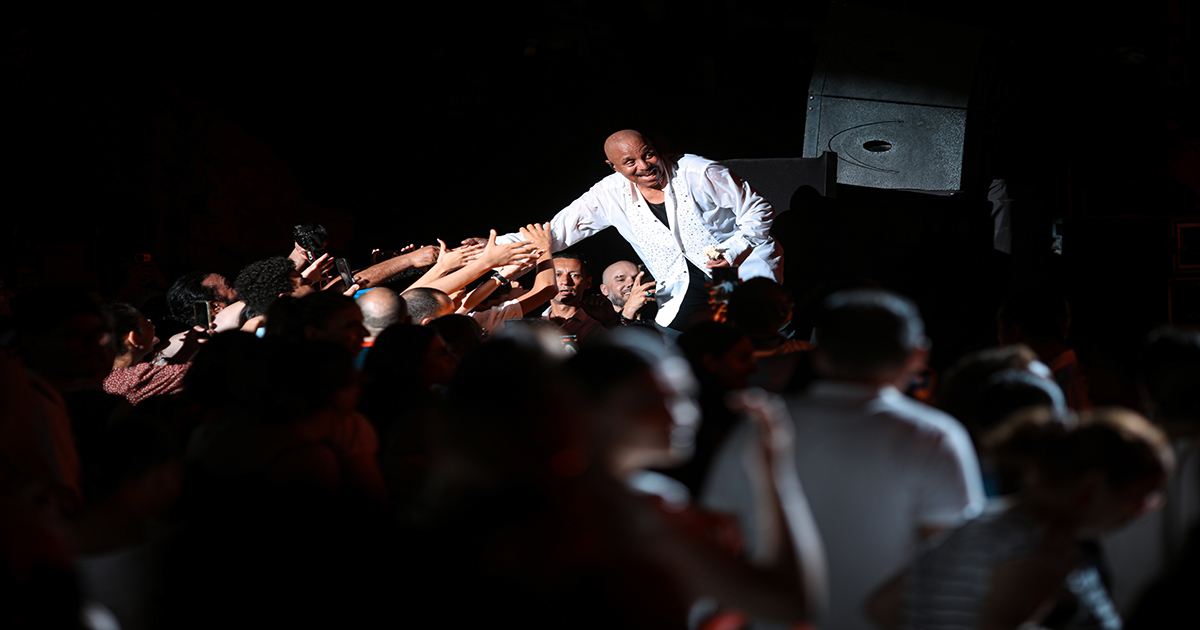
On August 3, 2025, the 59th edition of the Carthage International Festival came alive with an extraordinary evening featuring the renowned French actress and singer Chantal Goya.
Sky World News/ The last summer Olympics, in Tokyo, were the hottest on record.
The Paris games, kicking off next week, could be hotter. With wide boulevards, busy roads and zinc-topped roofs, Paris is a heat island. Daytime high temperatures have routinely topped 30°C in July and August in recent years. Add high humidity and competitions scheduled around midday, and it becomes a potentially dangerous environment for competitors.
The heat risk experienced by athletes is different to that for those of us watching from the sidelines. Exercise produces considerable warmth in the body as a by-product of movement. That heat is dissipated through the skin, which becomes red and flushed. This happens both via radiative losses and, vitally, via sweat, which evaporates to cool us. In summer, the temperature gradient with our surroundings narrows, so radiative cooling declines or stops. If rising temperature, high humidity and a lack of a breeze make it impossible for the body to sweat properly, it can spell big trouble.
This state occurs at a “feels-like” temperature in the mid-30s and above. In these conditions, heat can’t escape the body and continues to build. Initially, breathlessness, fatigue, some cramping, maybe some nausea and light-headedness occur. Dehydration will make any of these symptoms worse.
If cooling interventions aren’t provided, and body temperature doesn’t drop, catastrophic outcomes like fatal heat stroke can follow with just 30 minutes of additional exposure. Several Olympic events last long enough for that to happen.
Sky World news/Saudi Arabia, a new El Dorado for Tunisian cinema technicians
Faced with the boom in the audiovisual sector in Saudi Arabia, more and more Tunisians are traveling to work on film sets there. A qualified workforce, increasingly in demand, who does not necessarily wish to leave the country to migrate to this new Eldorado, but rather to keep one foot between the two .
The Saudi Film Commission, a branch of the Ministry of Culture created in 2020, offers tax reductions for productions filmed in the country: production costs are reimbursed up to 40% if filming is carried out on location. For Tunisian technicians, these new work opportunities came at the right time: the pandemic has paralyzed part of the sector in Tunisia.
The status of audiovisual technician is also very precarious, many have no safety net to bounce back from economic difficulties.
Tunisian technicians recognized for the quality of their training
This migration of a new kind, temporary and highly qualified, is not new in the audiovisual world. “The country has always been a breeding ground for Arab countries who have recruited technicians there because of the quality of their training, because the teachers of the cinema schools are themselves from the sector and have had a lot of experience in the field. 'stranger. Tunisians worked for a time on filming in Syria and Lebanon, then in Qatar with the arrival of satellite channels, in Algeria in the 2000s and finally in Saudi Arabia.
Sky world news/The Director General of the Arab States Broadcasting UnionASBU Engineer Abdel Rahim Suleiman, reveals the details of the 24th session of the Arab Radio and Television Festival (expected to be held from June 26 to 29) during the press conference held on Thursday, July 20, at the Union’s headquarters. In this context, he announced the logo of the session and the list of festival guests. The honorees included artists and media professionals, and the most important scientific seminars, emphasizing the great role of television and radio institutions.
ES
HE
SFR
AR
EN